
Neuropathy in Charleston, IL
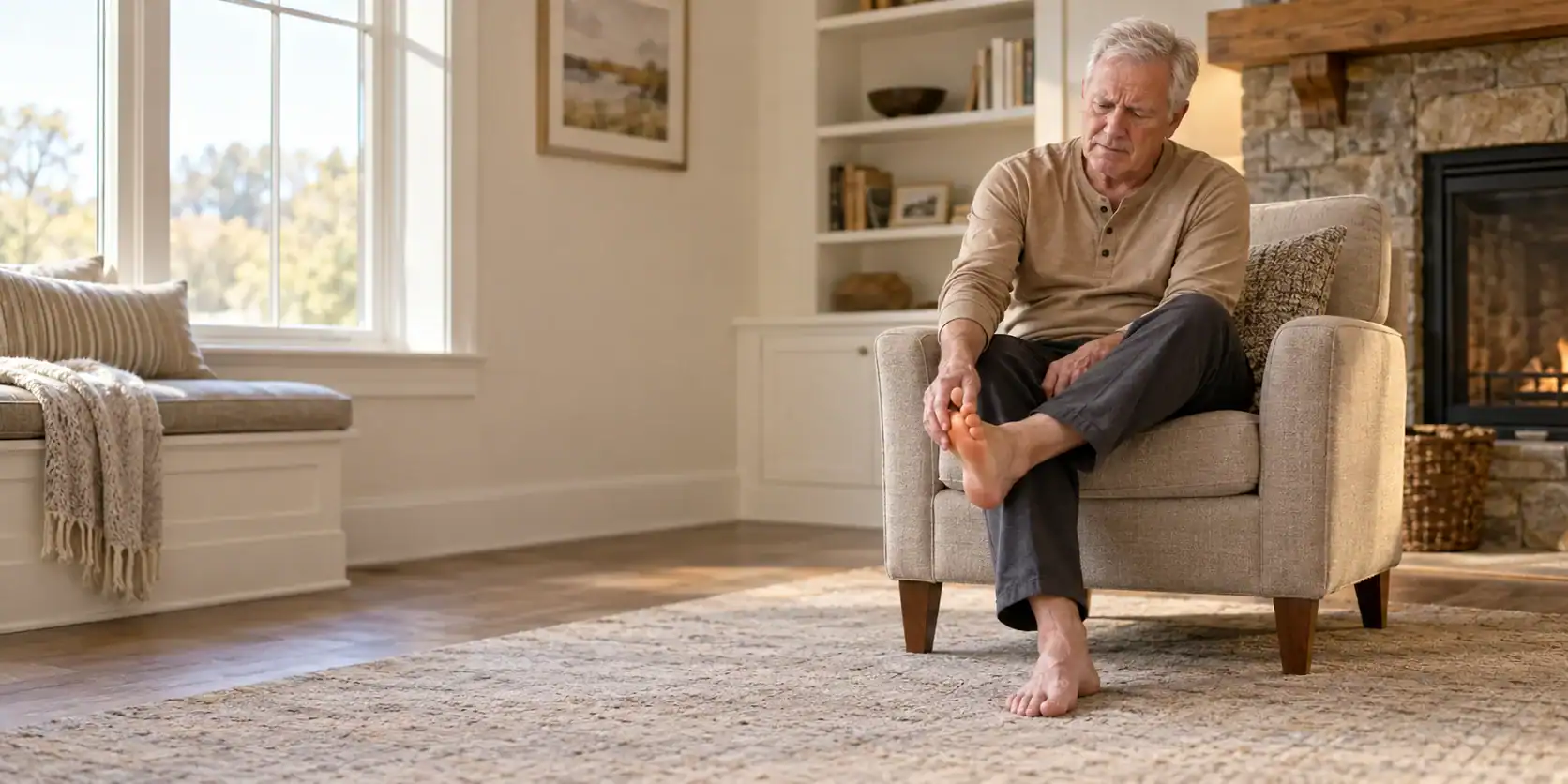
Burning, tingling, numbness, or unusual sensitivity in the feet can make each step feel uncertain. Some people notice symptoms at night, while others become aware of them when walking on uneven ground, driving, or trying to judge where their feet are. Because peripheral neuropathy can have several causes, the first priority is understanding the pattern. Every case requires its own approach.
At Back to Health in Charleston, Illinois, Dr. Charles Schuster evaluates nerve-related symptoms and how they affect sensation, balance, movement, and daily function. We review your health history and existing medical care, then explain whether conservative supportive care may fit alongside appropriate medical management.
Neuropathy Symptoms and Nerve Changes We Evaluate
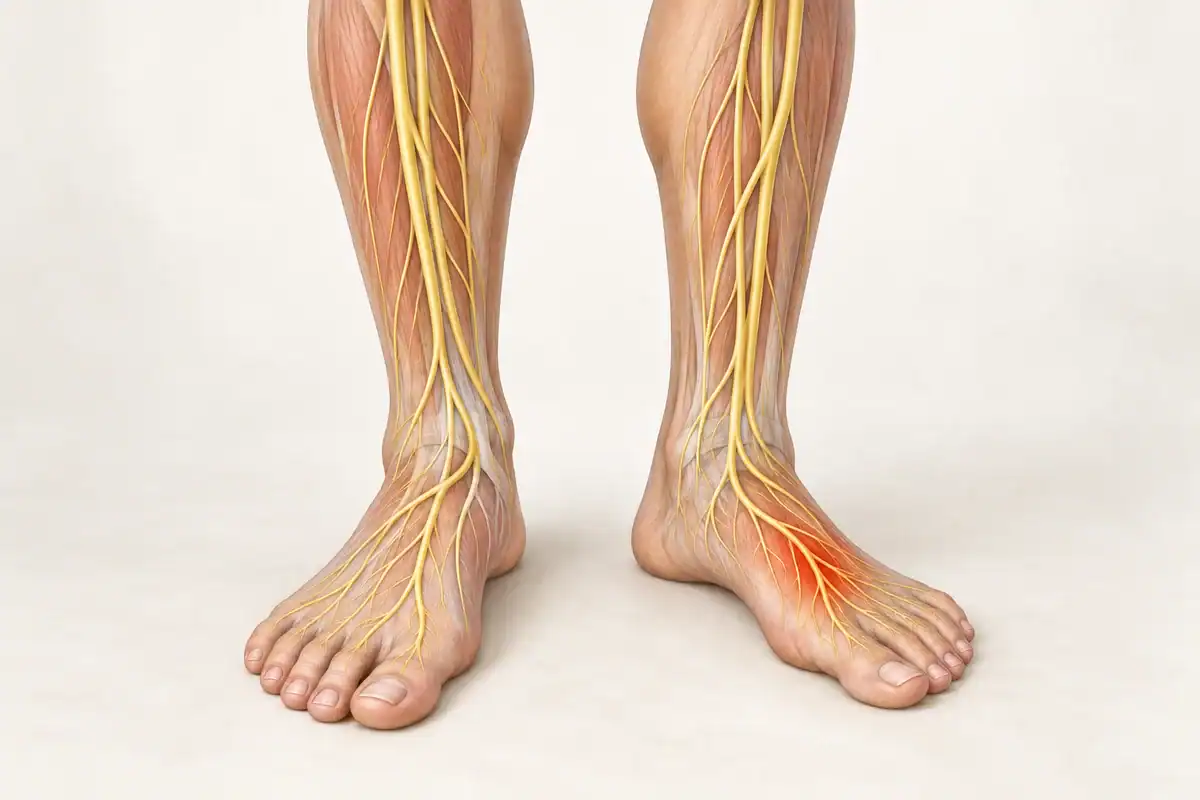 Neuropathy symptoms often begin in the toes or feet and may gradually move upward. Hands can also develop symptoms. We evaluate how these changes affect comfort, sleep, balance, and confidence during everyday activity.
A neuropathy evaluation may be appropriate when you experience a recurring combination of:
- Numbness or reduced sensation in the toes, soles, feet, or hands.
- Burning, tingling, or electric sensations that may worsen at night.
- Heightened sensitivity to socks, bedding, touch, or temperature.
- Balance changes or uncertainty about foot placement while walking.
- Weakness or cramping that makes stairs and longer walks harder.
Supportive Care Options for Neuropathy Symptoms
Supportive care should match the examination and medical history. Depending on the findings, a plan may focus on mobility, balance, strength, circulation-supporting activity, and reducing avoidable stress around an irritated nerve.
• Chiropractic Care for Related Joint Restrictions
Chiropractic care may be considered when restricted spinal or joint motion contributes to movement or function.
• Laser Therapy, Balance, and Guided Exercise
Laser therapy may be used as supportive care for selected tissues. Guided balance, mobility, and strengthening exercises can also help build steadier movement and greater confidence.
These services work alongside diabetes management, medication review, laboratory testing, wound care, or specialist treatment when needed. Recommendations should reflect the suspected cause, your safety, and how you respond over time.
A Personalized Nerve Health Plan Through RESTORE™
Our RESTORE™ approach considers mechanical and biological influences together. For someone with neuropathy symptoms, that may mean looking at nerve irritation, joint movement, muscle support, balance, activity tolerance, and recovery habits. In some cases, referral or collaboration may be the appropriate next step.
How We Evaluate Sensation, Balance, and Daily Function
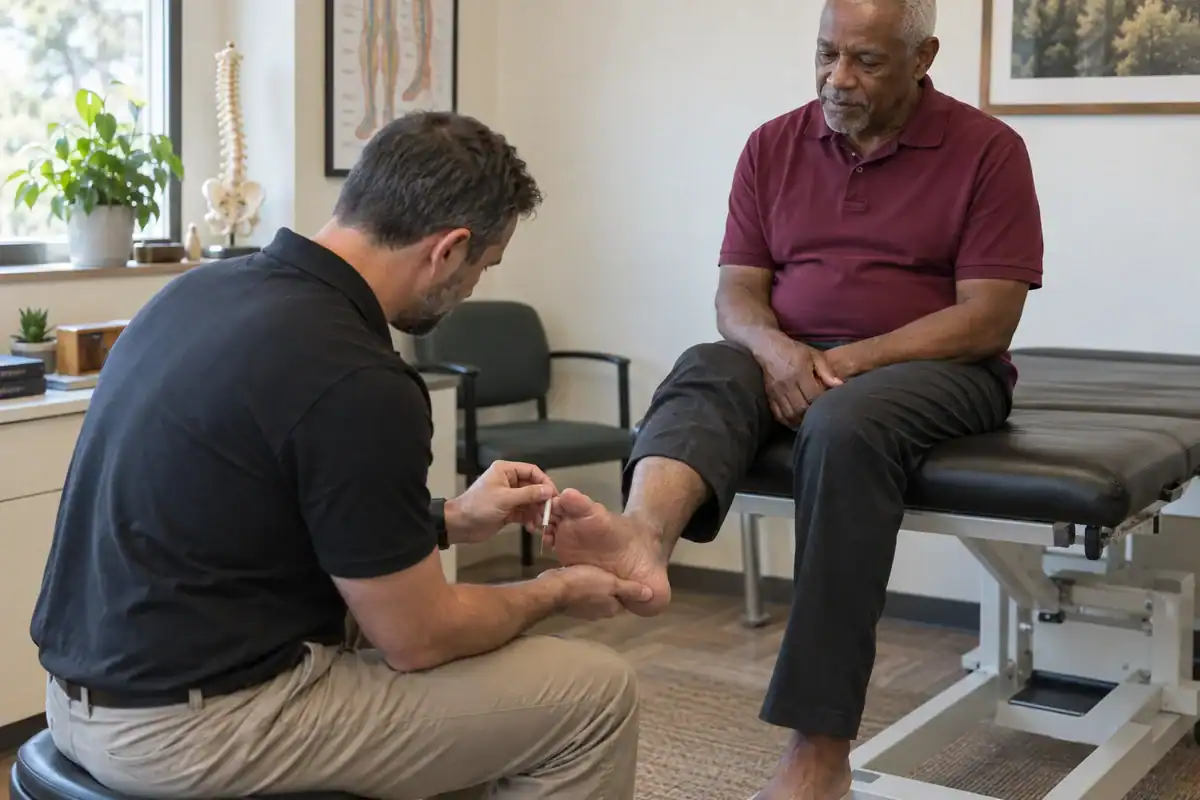 Dr. Schuster may assess light-touch sensation, balance, gait, reflexes, strength, joint motion, and the movements that change symptoms. We also review how the problem began, whether it follows a similar pattern on both sides, and what testing or treatment you have already received. This helps distinguish a local mechanical contributor from a broader condition that needs medical investigation or coordinated care.
Clear starting measurements matter. We can then track walking tolerance, sleep, balance, sensitivity, and daily activity. These measures provide more context than symptoms during one visit.
Seek prompt medical attention for new weakness, sudden one-sided symptoms, loss of bladder or bowel control, rapid decline, or an unnoticed foot wound.
Why Neuropathy Symptoms May Change or Progress
Peripheral nerves carry information between the brain, spinal cord, skin, muscles, and organs. When irritation or damage changes those nerves, messages may become weaker, distorted, or overly sensitive. Diabetes, medication effects, nutritional deficiencies, nerve compression, autoimmune conditions, infection, alcohol exposure, or other medical issues may contribute. Doctors cannot always identify the cause.
Building More Comfort and Confidence in Daily Movement
 A useful care plan connects clinical findings with a practical goal. That may mean sleeping with less disruption, feeling steadier at home, walking through a store, enjoying time outside, or returning to appropriate exercise. Specific goals make progress easier to recognize and help guide changes in care.
Schedule a Personalized Neuropathy Evaluation
If burning, tingling, numbness, or balance changes are limiting your routine, schedule an evaluation with Dr. Schuster. We will review your symptoms, explain the findings, and discuss whether conservative neuropathy support is appropriate for you.
Schedule Your Neuropathy Evaluation or call (217) 345-9600 to speak with the Back to Health team.